


How to Roll a Blunt
Rolling a blunt is the process of shaping material inside a tobacco-based wrap and sealing it into a finished roll. While the basic concept is simple, the quality of the wrap and the way it is handled make a major difference in how the blunt turns out.
When using real tobacco leaf blunt wraps, the process often feels different from rolling with thin papers because natural tobacco leaf has more structure, more texture, and more variation than paper or homogenized wraps.
Quick Answer
To roll a blunt, prepare the wrap, add material evenly, shape it into a consistent cylinder, tuck the edge carefully, and seal the wrap so it holds its form.
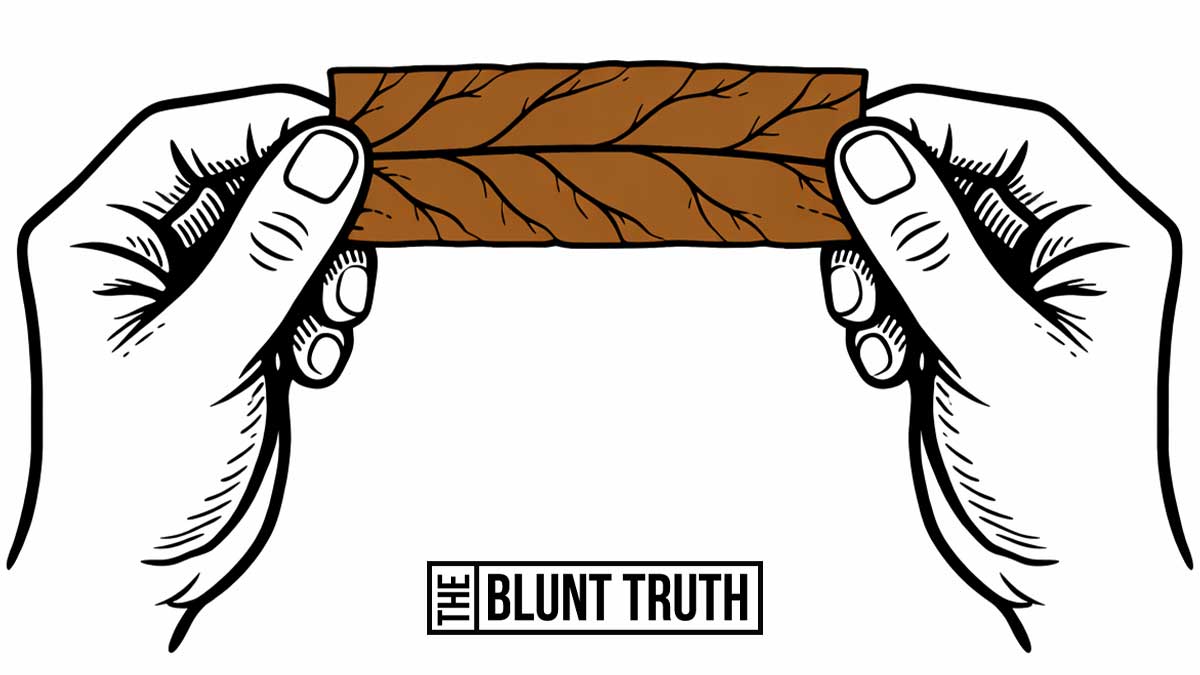
Step 1: Prepare the Wrap
Start by making sure the wrap is in good condition. A wrap that is too dry can be harder to work with, especially if it is made from natural tobacco leaf. Flexible wraps are easier to shape and less likely to crack during rolling.
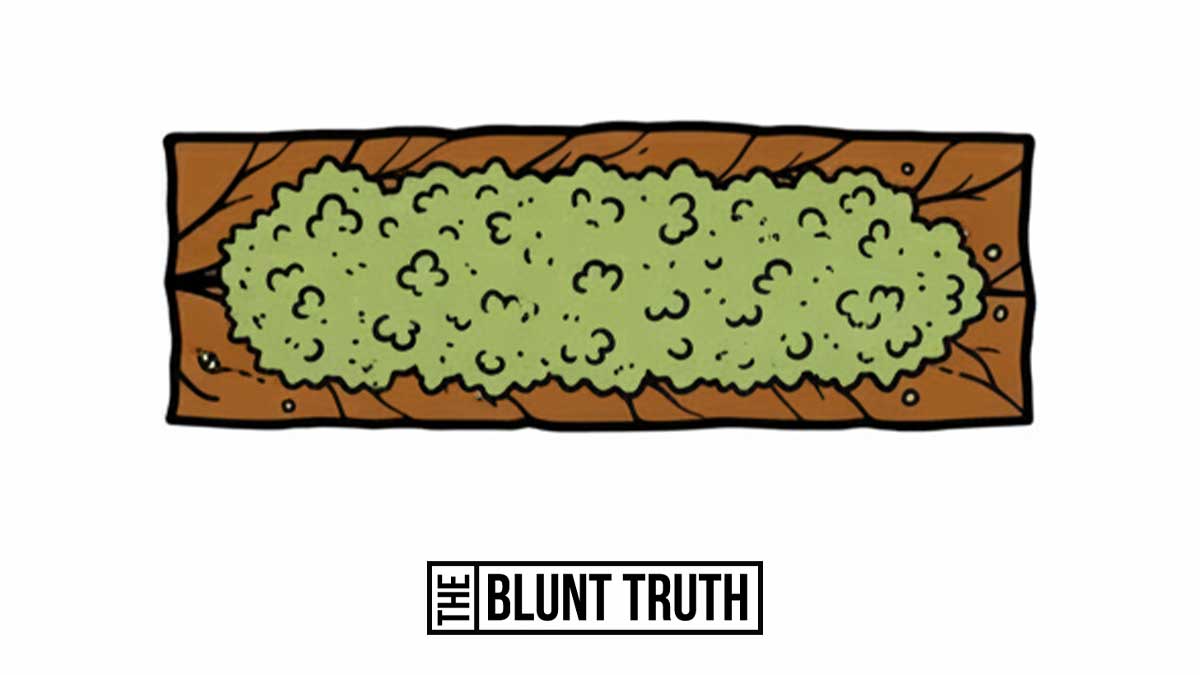
Step 2: Fill the Wrap Evenly
Distribute the material in a straight, even line along the center of the wrap. Uneven distribution creates weak spots, bulges, or sections that burn inconsistently later.
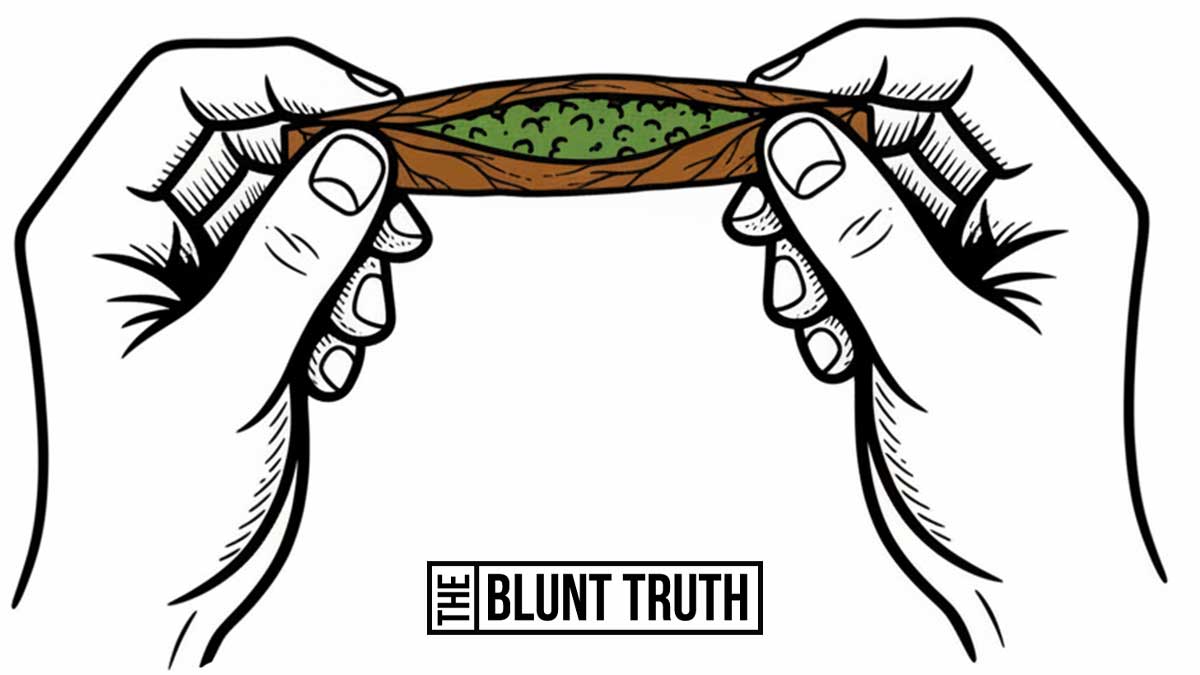
Step 3: Shape Before You Seal
Before tucking the wrap closed, use your fingers to gently shape the material into a cylinder. This is one of the most important parts of learning how to roll a blunt because it helps create even structure from end to end.
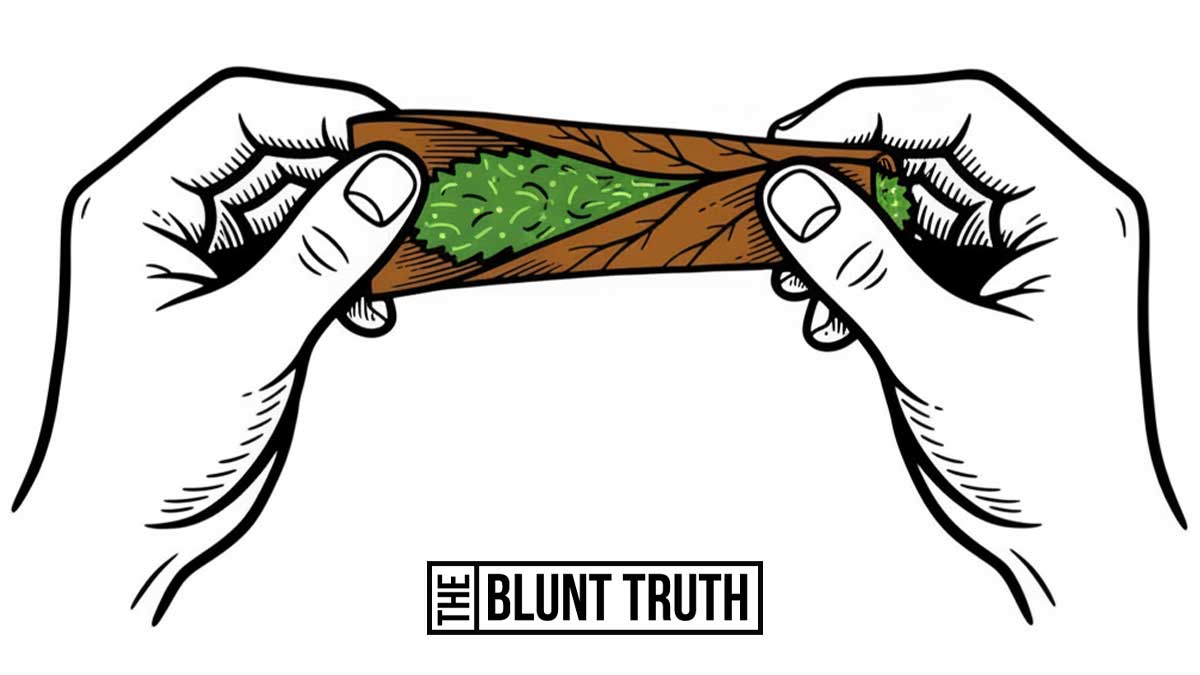
Step 4: Tuck the Edge
Once the shape looks even, tuck one side of the wrap inward and begin rolling the other side over it. With real tobacco leaf blunt wraps, slow and steady handling usually works better than forcing the leaf too fast.
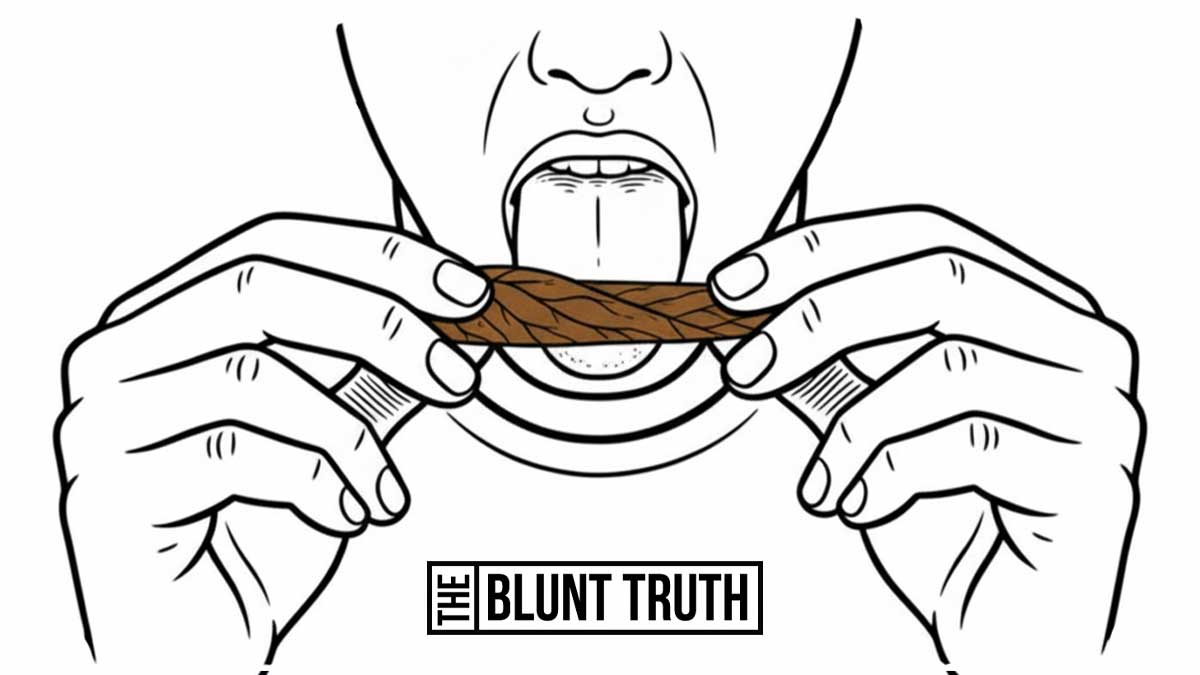
Step 5: Seal the Blunt
After the wrap is tucked and rolled, seal the edge so the blunt stays closed. A clean seal helps the wrap hold shape and reduces the chance that it opens during handling.
Why Wrap Material Matters
Not every wrap rolls the same. Some wraps are made from homogenized material that behaves more like a manufactured sheet, while natural tobacco leaf wraps preserve the structure of the leaf itself. That difference affects flexibility, texture, and how the wrap responds in your hands.
Conclusion
Learning how to roll a blunt comes down to good wrap condition, even filling, careful shaping, and proper sealing. With practice, the process becomes much easier, especially when you understand how tobacco leaf wraps behave during rolling.