


How Cigar Wrapper Tobacco Leaf Is Cultivated
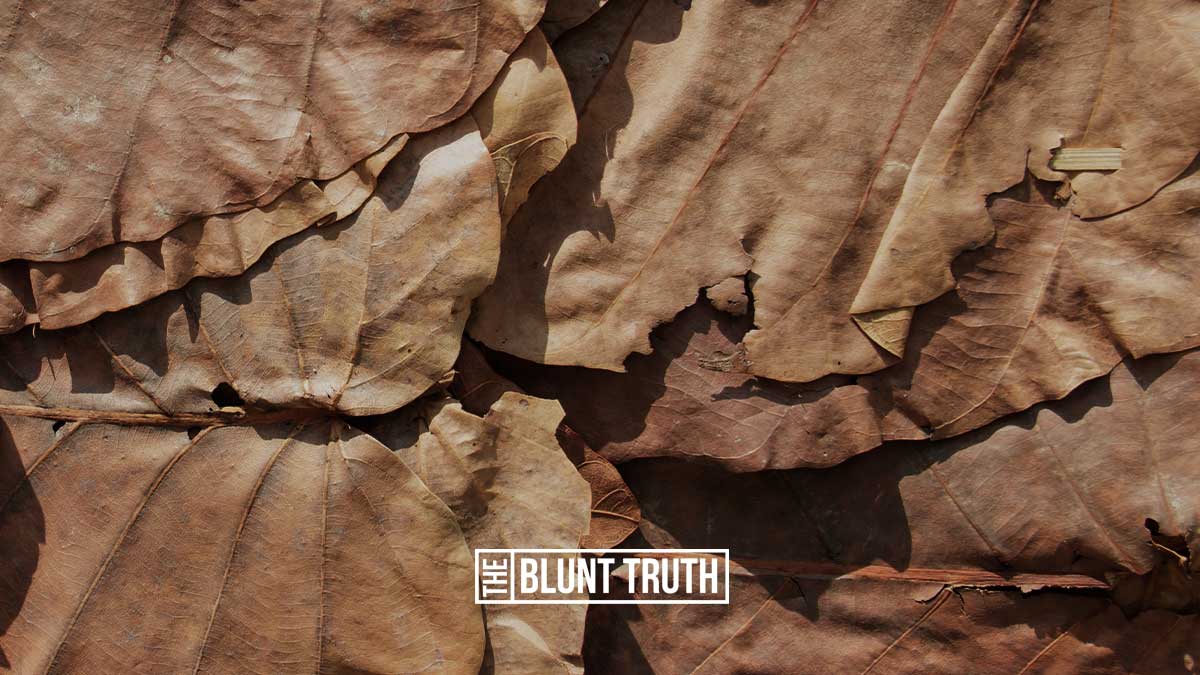
Cigar wrapper tobacco is grown differently from most other tobacco. The wrapper is the outer leaf of a cigar, which means it has to look clean, remain flexible, and be large enough to wrap around the cigar without tearing.
Because of that, wrapper tobacco requires careful cultivation and a large amount of manual labor. From the moment the plant begins in a nursery to the final sorting of leaves, many steps are involved in producing wrapper-quality tobacco.
Quick Answer
Cigar wrapper tobacco is cultivated to produce large, smooth leaves with fine veins and strong elasticity. The plants are grown in the field, harvested in stages called primings, air cured in barns, fermented in piles, and finally sorted to identify wrapper-quality leaves.
Starting the Plants
Cigar tobacco begins as seedlings grown in protected nursery beds or float trays. Once the young plants are strong enough, they are transplanted into open fields where they grow into mature tobacco plants.
Field spacing is carefully controlled. If plants grow too close together, the leaves remain smaller and develop thicker veins. Proper spacing allows the leaves to expand and develop the wide surface needed for wrapper tobacco.
Managing the Tobacco Plant
As the plants grow, farmers manage the crop to focus the plant's energy on leaf production.
One important step is called topping, which removes the flowering head of the tobacco plant. This helps redirect the plant's energy into producing larger leaves.
Growers also remove side shoots known as suckers. These shoots can draw energy away from the main leaves if they are not removed.
In most cigar-growing regions these steps are performed manually, although some farms may use chemical sucker control in addition to hand removal.
Sun-Grown and Shade-Grown Wrapper Tobacco
Wrapper tobacco can be cultivated either in full sunlight or under shade.
Sun-grown wrappers typically develop thicker leaves with higher oil content and stronger flavor characteristics. Broadleaf tobacco is a well known example of a sun-grown wrapper.
Some wrappers are grown under large shade cloth structures in a technique known as shade growing. The filtered sunlight encourages the plant to produce thinner leaves with finer veins and smoother surfaces.
Regions such as Connecticut are known for shade-grown tobacco. In Ecuador, natural cloud cover often provides a similar shading effect, which allows wrapper tobacco to be grown without artificial shade cloth.
Harvesting the Leaves
Tobacco plants are harvested in stages called primings. Farmers start with the lowest leaves and move upward as the plant matures.
Each priming produces leaves with slightly different characteristics. Wrapper leaves most commonly come from the middle sections of the plant, although upper primings may also produce wrapper-quality leaves depending on the crop.
Curing the Leaves
After harvest, cigar tobacco leaves are typically hung inside curing barns where they slowly dry in a process known as air curing. This stage removes moisture and begins the chemical changes that prepare the tobacco for fermentation.
Air curing is the most common method used for cigar tobacco, although other tobacco types may be cured using methods such as flue curing, sun curing, or fire curing depending on the product being produced.
Fermentation
Once curing is complete, cigar tobacco is stacked into large piles called pilónes. During fermentation, natural heat builds inside the piles and causes further chemical changes in the leaf.
Workers monitor the temperature of the piles and periodically restack them to control the fermentation process.
Sorting Wrapper Leaves
After fermentation and aging, the tobacco is sorted by hand. Workers evaluate each leaf for size, color, texture, vein thickness, elasticity, and visible blemishes.
Only the most consistent and visually clean leaves qualify as wrapper tobacco. Leaves that do not meet wrapper standards may still be used as binder or filler tobacco.
The Labor Behind Wrapper Tobacco
Producing cigar wrapper tobacco requires many hands. Workers raise seedlings, transplant plants, harvest leaves by hand, hang tobacco in curing barns, manage fermentation piles, and sort the finished leaves.
By the time a wrapper leaf reaches a cigar factory, numerous people have already been involved in producing it.
Conclusion
Cultivating cigar wrapper tobacco requires precision at every stage. Farmers manage plant growth, harvest the leaves by hand, cure and ferment the tobacco, and carefully sort the leaves to identify wrapper-quality tobacco.
Those steps are what produce the smooth, flexible leaves used to finish a cigar.