


Cigar Wrapper vs Binder vs Filler
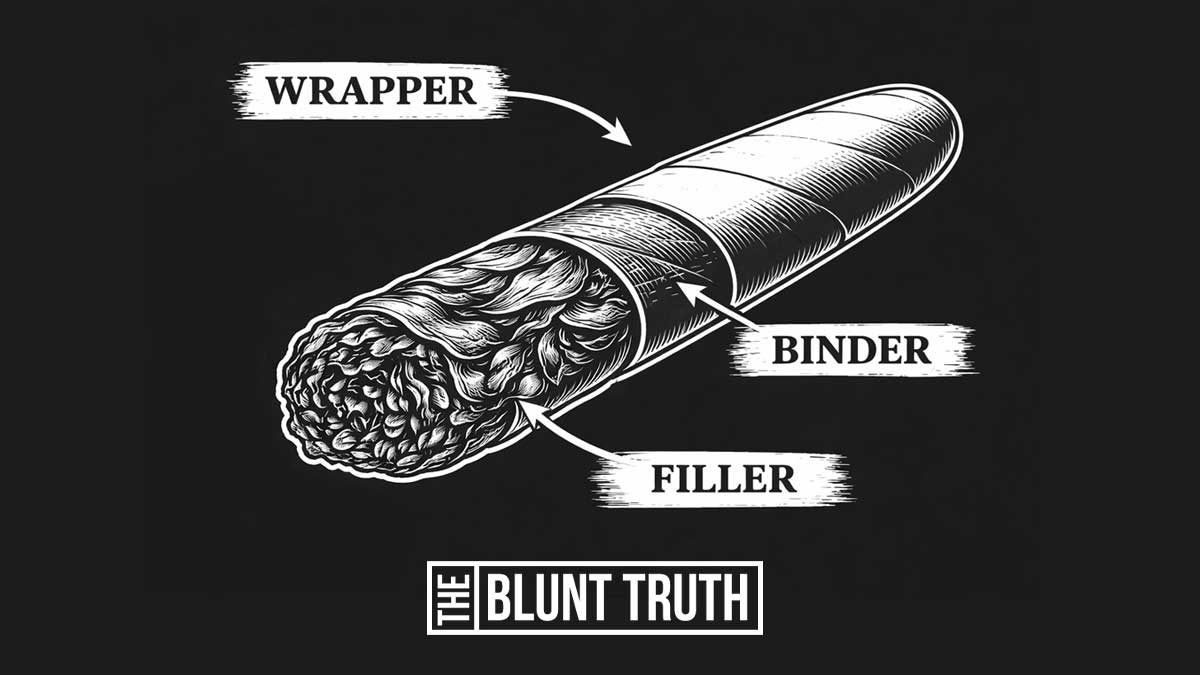
Traditional cigars are constructed from three types of tobacco leaves: wrapper, binder, and filler. Each leaf serves a different role in the structure and construction of the cigar.
These roles are determined after curing, fermentation, and sorting, when tobacco leaves are evaluated for size, strength, elasticity, and visual quality.
Quick Answer
Cigars are built from three layers: filler tobacco that forms the internal blend, binder leaf that holds the filler together, and wrapper leaf that forms the outer surface of the cigar.
Wrapper Leaf
The wrapper leaf is the outermost tobacco leaf on a cigar. Because it is fully visible, it must meet strict visual and structural standards.
Wrapper leaves are selected for their large surface area, smooth texture, fine veins, elasticity, and consistent color. These characteristics allow the leaf to be stretched and applied smoothly during cigar rolling.
Wrapper tobacco is also sorted by color so cigars within the same box maintain a consistent appearance.
Binder Leaf
The binder leaf sits directly beneath the wrapper and holds the filler tobacco together.
Binder leaves must be strong and flexible enough to maintain the cigar's structure during rolling and smoking. They are selected primarily for strength and elasticity rather than visual appearance.
Leaves that are structurally sound but visually imperfect often become binder tobacco.
Filler Tobacco
Filler tobacco forms the interior of the cigar and makes up most of the tobacco inside the blend.
Cigar manufacturers combine different filler leaves to create the internal structure of the cigar.
Cigars may use long filler, which consists of whole tobacco leaves running the length of the cigar, or short filler, which uses chopped pieces of tobacco.
How Leaves Are Selected
Tobacco may be cultivated with wrapper production in mind, but the final role of each leaf is determined after curing, fermentation, and sorting.
Workers evaluate leaves for size, color, elasticity, vein structure, and visible damage. Only a small portion of leaves meet the standards required for wrapper tobacco.
Leaves that are strong but visually imperfect often become binder tobacco, while smaller or damaged leaves are typically used as filler.
Conclusion
Cigar construction relies on the combination of wrapper, binder, and filler tobacco leaves. Each layer performs a different function in how the cigar is assembled and how it burns.
Understanding these layers helps explain how different tobacco leaves are used throughout cigar production.